The Sorry Saga of Bhutan's North

The Sorry Saga of Bhutan's North
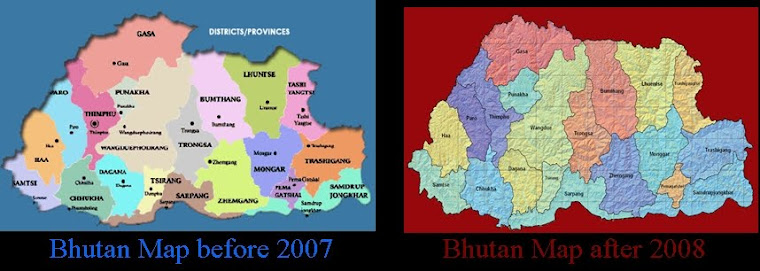
Click over the map to know the differences

Sunday, November 6, 2011

KING GOES TO THE SOUTH

His Majesty King Jigme Khesar Namgyel Wangchuck wears Tika


6 October, 2011 - His Majesty celebrates Dassian Tikka with the people of Samtse. Coinciding with this important day, His Majesty granted Kidu to hundreds of people, from students to the elderly. His Majesty is on a tour of Southern Bhutan visiting areas affected by the recent earthquake.


His Majesty King Jigme Khesar Namgyel Wangchuck in a temple


6 October, 2011 - His Majesty offers prayers at the Hindu temple Shivlaya Mandir in Samtse on the occasion of Dassain Tikka. Coinciding with this important day, His Majesty granted Kidu to hundreds of people, from students to the elderly. His Majesty is on a tour of Southern Bhutan visiting areas affected by the recent earthquake.


His Majesty King Jigme Khesar Namgyel Wangchuck likes sell roti

7th October, 2011 - His Majesty being welcomed to Sang Nga Choeling in Samtse, in traditional Lhotsam tradition. His Majesty is on a tour of Southern Bhutan visiting areas affected by the recent earthquake.

HOW ROYAL ARE THE THIMPHU ROYALS ?

WHILE IN THAILAND DO LIKE THE THAIS DO.


RED SHIRT OR YELLOW SHIRT?


LIPS TOUCH LIPS

JUST TOUCH


HERDING PEOPLE IS NOT EASY


PEOPLE PLEA

I cannot read Lhotsamka, please write it in Nepali.


MAKING A GO


BLESSINGS


MUM'S LESSONS


THE DAD'S STYLE


LESSON FROM DAD

SISTERS?


HOW CAN I BECOME A COMMONER LIKE YOU?

TOO TIRED ON TWO TYRED


ARM IN THE WAIST- A ROYAL STYLE

NO ONE WILL SEE IT- SAID THE EMPEROR
AND NO ONE SAW IT.


ROYAL HONEYMOON


KING JIGME KESAR NAMGYEL WANGCHUK VISITS REFUGEE CAMPS - A DUMMY REFUGEE CAMP


UNABLE TO QUENCH THE QUEST OF VISITING BHUTANESE REFUGEE CAMPS IN JHAPA, ROYALS WERE TAKEN TO THOSE HUTS IN THE COUNTRY WHICH LOOKED LIKE THE CAMPS


NICE OLD MAN


ROYAL VISIT


ROYAL DAD AND SON


DREAM CHILD?

Sunday, October 23, 2011

Rongthong Kunley dies at 73

THIS IS HOW THE DESPOTIC REGIME IN THIMPHU SEND CONDOLENCE ON THE DEATH OF ITS OPPOSITION LEADER WHO DIED IN EXILE- FROM THE GOVERNMENTS MOUTHPIECE -KUENSEL.
རོང་མཐོང་ཀུན་ལེགས་རྡོ་རྗེ་གྱོངས་ཡོདཔ། རིག་འཛིན་དབང་ཕྱུག།


༉ ནེ་པཱལ་ལུ་ འབྲུག་ཀོང་གེ་རེསི་ཚོགས་པ་གཞི་བཙུགས་འབད་མི་ རོང་མཐོང་ཀུན་ལེགས་རྡོ་རྗེ་དེ་ སྤྱི་ཟླ་༡༠ པའི་ཚེས་༡༩ འི་ནུབ་མོའི་ཆུ་ཚོད་༡༡ ལུ་ རྒྱ་གར་སི་ཀིམ་ མ་ནི་པཱལ་སྨན་ཁང་ནང་སྦེ་ གྱོངས་སོ་ཡི་ཟེར་ ཚོགས་པ་གིས་ འབྲུག་གི་བརྡ་བརྒྱུད་ལས་ཁང་ཚུ་ནང་བསྐྱལ་མི་ གློག་འཕྲིན་ཅིག་ནང་བཀོད་ནུག།


དེ་ཡང་ འབྲུག་ཀོང་གེ་རེསི་ཚོགས་པའི་ ཁྲི་འཛིན་འོག་མ་ སྐལ་བཟང་ལྷུན་གྲུབ་ཀྱིས་ མིང་རྟགས་བཀོད་དེ་བསྐྱལ་མི་ གནས་ཚུལ་གསར་བཏོན་ནང་ བཀོད་པའི་ནང་གསལ་ རོང་མཐོང་ཀུན་ལེགས་དེ་ འཕྲལ་ཁམས་ཅིག་ལས་ ཡུན་རིང་གི་ གུ་རམ་ནད་དང་འབྲེལ་ ནད་གཞི་གཞན་ཚུ་ཐོབ་སྟེ་ ན་ཡོད་པའི་སྐོར་ལས་ ཁོ་གི་བཟའ་ཚང་ནང་མི་ཚུ་གིས་ ཚོགས་པ་ལུ་ སྙན་ཞུ་ཐོབ་ཅི་ཟེར་ཨིན་པས།

དེ་མ་ཚད་ སྤྱི་ཟླ་༡༠ པའི་ཚེས་༣ ལུ་ རོང་མཐོང་ཀུན་ལེགས་ཀྱིས་ མི་དབང་ཡབ་སྲས་རྣམ་གཉིས་ཀྱིས་ དབུ་གཙོས་པའི་ བློན་ཆེན་དང་ སྤྱི་ཚོགས་ཀྱི་འཐུས་མི་ དེ་ལས་ འབྲུག་གི་མི་སེར་ཚུ་གི་ ཁ་བྱང་ཐོག་ལུ་བསྐྱལ་མི་ ཡི་གུ་ཅིག་ནང་ ཁོ་གིས་ ཤེས་རྟོགས་དང་ ཤེས་རྟོགས་མེད་པའི་ཐོག་ལས་ ཁོ་རའི་བསམ་བློ་དང་ ལཱ་བྱ་ཚུ་ལུ་བརྟེན་ གང་རུང་ལུ་ གནོད་འཚེ་དང་ ཡང་ཅིན་ སེམས་ཁར་ ཕོག་མི་ཚུ་ལུ་ བཟོད་གསོལ་བཞེས་གནང་ཟེར་ ཁོ་རའི་ འཛོལ་བ་ལུ་ བློ་འགྱོད་དང་བཅས་བཀོད་ནུག།

རོང་མཐོང་ཀུན་ལེགས་རྡོ་རྗེ་དེ་ སྤྱི་ལོ་༡༩༩༠ ལུ་ རྩ་བ་གསུམ་ལུ་ དྲག་པོའི་ངོ་རྒོལ་འགྲེམ་སྟོན་འབད་བའི་སྐབས་ ངོ་ལོག་པའི་ བྱ་ངན་ཚུ་ལུ་ ཁོ་གིས་ རྒྱབ་སྐྱོར་འབད་ཡོདཔ་ ཐེ་ཚོམ་ལས་བྲལ་བའི་ རྒྱུ་མཚན་ལྡན་པའི་ སྒྲུབ་བྱེད་བྱུང་མི་ལུ་ གཞིར་བཞག་སྟེ་ སྤྱི་ལོ་༡༩༩༡ ཟླ་༥ པའི་ཚེས་༡༨ ལུ་ འཛིན་བཟུང་འབད་ཡོདཔ་ཨིན་པས།

རོང་མཐོང་ཀུན་ལེགས་དེ་ རྩ་བ་གསུམ་ལུ་ ངོ་ལོག་མི་ལུ་བརྟེན་ འཛིན་བཟུང་འབད་ཡོད་རུང་ ཟླཝ་༢ དེ་ཅིག་གི་ཤུལ་ལས་ སྤྱི་ཟླ་༧ པའི་ཚེས་༥ ལུ་ མི་དབང་འབྲུག་རྒྱལ་བཞི་པ་མཆོག་གིས་ དགོངས་ཡངས་གནང་སྟེ་ དོ་དམ་འོག་ལས་ བཏང་ཡོདཔ་ད་ ཁོ་གིས་ཡང་ དགོངས་ཡངས་གནང་མི་ལུ་ བཀྲིན་དགའ་ཚོར་སྦེ་ ཁོ་རའི་མནོ་འདོད་དང་འཁྲིལ་ ཁྲིམས་སྤྱི་བློན་པོ་དང་ ནང་སྲིད་བློན་པོ་འོག་མ་ བློ་གྲོས་ཚོགས་སྡེའི་འཐུས་མི་ དེ་ལས་ དེ་བསྒང་ ནང་སྲིད་ལྷན་ཁག་གི་མདོ་ཆེན་ཨིན་མི་ ཁོ་རའི་ནུ་གཅུང་འཛོམས་ཐོག་ལུ་ ད་ལས་ཕར་ རྩ་བ་གསུམ་ལུ་གནོད་པའི་ བྱ་ངན་ག་ཅི་ནང་ཡང་ འབྲེལ་གཏོགས་མི་འབད་ཟེར་བའི་ ཁས་བླངས་གན་རྒྱ་གུ་ མིང་རྟགས་བཀོད་ནུག།

འདི་འབདཝ་ད་ གན་རྒྱ་གུ་ མིང་རྟགས་བཀོད་མིའི་ གནག་རྩི་མ་སྐམ་ལས་ར་ རྒྱལ་ཁབ་སྤངས་ཏེ་ ནེ་པཱལ་ལུ་ བྱོག་སོང་ཡོདཔ་ད་ སྤྱི་ལོ་༡༩༩༥ ཟླ་༦ པའི་ཚེས་༢༡ ལུ་ རོང་མཐོང་ཀུན་ལེགས་ཀྱིས་ འབྲུག་ནེ་ཤ་ནཱལ་ཀོང་གེ་རེསི་ཟེར་མི་ ཚོགས་པ་ཅིག་ གཞི་བཙུགས་འབད་ཞིནམ་ལས་ཚུར་ འབྲུག་པའི་མི་སྡེ་ཁག་ཚུ་གི་ ནང་འཁོད་ལུ་ སྲི་དཀྲུག་འབད་ནི་དང་ རྒྱལ་ཁབ་ཀྱི་ མིང་གཏམ་མེདཔ་གཏང་ནིའི་ བྱ་ངན་རྣམ་པ་སྣ་ཚོགས་བརྩམས་ནུག།

འདི་འབདཝ་ལས་ རྒྱལ་ཡོངས་ཚོགས་འདུའི་ འཐུས་མི་ཚུ་གིས་ སྤྱི་ལོ་༡༩༩༥ ལས་༡༩༩༩ ཚུན་ རོང་མཐོང་ཀུན་ལེགས་དེ་ རྒྱལ་ཁབ་ནང་ ལོག་བཏོན་ཞིནམ་ལས་ ཁོ་གིས་ ངོ་ལོག་པའི་ བྱ་ངན་མང་རབས་ཅིག་དང་ དངུལ་ཁང་ཚུ་ནང་ བསྐྱིན་ཚབ་མ་བཏབ་པར་ བཞག་མི་ཚུ་ལུ་ ཁྲིམས་ཀྱི་འདུན་སར་ ཉེས་བཤེར་འབད་དགོ་པའི་ཞུ་བ་ ནན་བསྐྱར་ཕུལ་ཡོདཔ་ཨིན་རུང་ གཞུང་གིས་ སྲིད་འབྲེལ་ལུ་བརྟེན་ རྒྱལ་ཁབ་ནང་ བཏོན་མ་ཚུགས་པར་ ལུས་ཡོདཔ་ཨིན་པའི་གནས་ཚུལ།


The founding president of the so-called Druk National Congress based in Nepal, Rongthong Kunley Dorji, 73, passed away at 11pm on October 19 at Manipal institute of medical science in Gangtok, Sikkim, according to an email sent to the Bhutanese media houses by DNC members.


The email stated that a family member had intimated to the party that Rongthong Kunley Dorji had been recently ailing from complications related to chronic diabetes and other health problems.

On October 3, an email letter signed by Rongthong Kunley was addressed to His Majesty, prime minister, council of ministers, members of the parliament and the people of Bhutan. It said that the past 20 years had been a momentous political journey for Bhutan and its people, with the final resultant changes laying a foundation for a promising future for all Bhutanese.
Carrying a tone of regret and reconciliation, the letter also stated that, at a dharmic level – as Buddhists, the suffering one has to endure is a consequence of one’s karma. “Thus, with my body, speech and mind and, as far as my mortal human capacities allow me to, I hereby forgive all those who have wronged me,” the letter stated. “And if I, knowingly or unknowingly, have caused hurt or harm to anybody by my aspirations or actions, seek forgiveness of them.”

“To my country and my people, I pray: may all the gods, goddesses, guardians and protectors, and all those of cosmic lineage, who command coincidence, always guide and protect you; may your negative karma, and your outer, inner and secret obstacles, be pacified and cleared; may your positive karma, and your positive aspirations and actions, consequence glorious merit; may the times ahead bring you good fortune, prosperity, happiness and peace, and may all be auspicious for you,” the letter stated.

At one time a prominent businessman, Rongthong Kunley was arrested by the government on May 18, 1991, based on reliable evidence of his active support to the anti-national movement during the violent demonstrations of 1990.

Although arrested for treason, the fourth Druk Gyalpo had pardoned him on July 5 the same year. In appreciation of the royal pardon, Rongthong Kunley had signed, of his own free will, a genja (agreement) in the presence of the chief justice, the deputy home minister, a member of the Royal Advisory Council, and his own brother, who was then the director of the home ministry, never to indulge in any harmful activity against the Tsawa Sum.
However, Rongthong Kunley left the country and established the Druk National Congress, on June 21, 1995.

Since then, the members of the National Assembly called for the extradition of Rongthong Kunley time and again to face trial for numerous counts of criminal and anti-national activities and attempts to create misunderstanding between the people and the government, communal unrest, and sedition.

In 1997 Rongthong Kunley was arrested in India and remanded in judicial custody at the Tihar jail. Bhutan had requested that he be extradited, in accordance with the Extradition Agreement of 1996 between the two countries, to face charges for financial fraud and default of loans with the government, financial institutions, and private individuals.

He remained in judicial custody until June 12, 1998, when the Chief Metropolitan Magistrate in New Delhi released him on bail with the conditions that he is kept under constant supervision.


By Rinzin Wangchuk

ROYAL WEDDING PHOTOS AND LINKS


SAARC members agree to reduce sensitive lists by 20pc

.


SAARC members agree to reduce sensitive lists by 20pc

Wednesday, 12 October 2011 13:51

ISLAMABAD: The South Asian Association for Regional (SAARC) Cooperation working group for reduction in sensitive list have agreed to reduce their sensitive lists by 20 percent.

A statement issued by the Ministry of Commerce here Wednesday said that reduction of 233 tariff lines which is an obligation for Pakistan under SAFTA will reduce Pakistan's sensitive list from 1169 to 936 tariff lines.

A list of 233 items has been prepared in consultations with stakeholders and in order to ensure a wider consultation all concerned have been asked to give their views, comments by October 19, 2011, it added.

As per Trade Liberalization Programme under SAFTA, the Non Least Developed Countries (LDCs) like Sri Lanka, India and Pakistan would reduce their tariff 0 to 5 percent by 2013 whereas the LDCs would reduce tariff 0 to 5 percent by 2016, it added.

Each MemberState retains a `Sensitive Lists" which is not offered for concessional treatment. Presently, Pakistan has placed 1169 tariff lines in its Sensitive List.

It may be recalled that at the SAARC platform, Working Group for reduction in Sensitive List was created to work out the modalities for reduction in the Sensitive Lists.

Its seven founding members are Bangladesh, Bhutan, India, Maldives, Nepal, Pakistan and Sri Lanka. Afghanistan joined the organization in 2005.

The SAARC Member States signed South Asian Free Trade Agreement (SAFTA) during the 12th SAARC Summit held at Islamabad on 6th January 2004.


Copyright APP (Associated Press of Pakistan), 2011

Saturday, April 16, 2011

PM Jigme Y Thinley Visits Nepal


Bhutan refuses third country intervention

KOSH RAJ KOIRALA

KATHMANDU, April 17: Bhutan has refused any intervention from India or any other third country in resolving the problem of Bhutanese refugees living in various camps in eastern Nepal for over two decades.
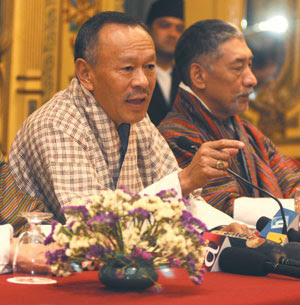
Visiting Bhutanese Prime Minister Jigmi Y Thinley has even refused to acknowledge that the 108,000-plus people who began living in eastern Nepal in the early 1990s after being evicted from Southern Bhutan as refugees. He termed them “people in the refugee camps.” As to whether there is a role for third country in the negotiation between Nepal and Bhutan, Thinley said, “I think not.”

Speaking at a press conference before wrapping up his three-day official visit to Nepal on Saturday, Thinley argued that there is no point in seeking India´s role in resolving the Bhutanese refugee problems just because India facilitated “people in the refugee camps” to travel through its territory to Nepal.

“We [Nepal and India] have a special arrangement with India whereby citizens of our countries enjoy the freedom of movement through India. But that does not mean India has a role and responsibility in finding a solution,” he further said.

Thinley said people living in various seven refugee camps in south eastern Nepal are not refugees from Bhutan. “They are economic refugees; they are environmental refugees; they are refugees of political instability. And they are refugees of victims of circumstances that are beyond their control,” he said. “But I maintain that the question of whether they are refugees from Bhutan is a subject of discussion. It is not that simple.”

Thinley, however, said Bhutan has offered to resume bilateral talks stalled since 2003 with Nepal to resolve the issue. “The identities and backgrounds of these people are yet to be decided upon, settled, studied and investigated. And that is as I said is the essence of our discussions,” he said. “We are hopeful that we will be able to establish an environment within which a speedy resolution to the dignified settlement of the people in the camps will be found through bilateral process.”

“As to when we will hold our discussions will be a subject that will be settled through the bilateral process between out two countries. This should happen sooner than later,” he further said.

A ministerial joint committee of the two countries formed to resolve the refugee problem last held its 15th meeting in the Bhutanese capital, Thimphu on October 20-23, 2003.

Thinley claimed that Bhutan never expelled its citizens and that a few citizens in collusion with illegal immigrants had chosen to leave the country. “… Democratic Bhutan can not think so. Such a situation is unthinkable,” he said while brushing aside media reports that Bhutan government is planning to evict additional 80,000 people from Bhutan. “We have a democracy. And we have a government that believes in equity and justice.”

The UN refugee agency with the support of International Organisation for Migration initiated third country resettlement program in 2007 after repeated round of dialogues between Nepal and Bhutan failed to resolve the crisis.

A total 44,592 refugees have left for third country settlement to eight countries as of March 31. Of them, 37,804 chose to settle in the US and 2,585 to Canada. Likewise, Australia, New Zealand, Norway, Denmark and UK have accepted 2,454, 552, 373, 484 and 111, respectively.

Thinley also lauded the western countries for offering third country resettlement choice to “people living in refugee camps”. “I think it is indeed a reflection of the commitment of those industrialized and developed countries that speak of human rights. It is a great humanitarian assistance that these countries have demonstrated,” he said.

MY REPUBLICA
..................................

Nepal-Bhutan agree to revise air service agreement
REPUBLICA

KATHMANDU, April 16: Nepal and Bhutan have agreed in principle to revise Air Service Agreement (ASA) reached between the two countries in the past.

The two sides reached an agreement to this effect during a meeting between between Prime Minister Jhalanath Khanal and his Bhutanese counterpart Jigme Y Thinley on Friday, according to prime minister´s foreign relations advisor Milan Raj Tuladhar.

Speaking at a press conference before wrapping up his three-day official visit to Nepal, Thinley said they have agreed to renew the air service agreement which will include among other things Druk Air flight between Bagdora in India and Kathmandu.

“The government of India has given their approval to operate such a flight giving us fifth freedom rights. And we are hopeful that Nepali side will agree to this,” he further said.

Currently, Druk Air has Kathmandu-Thimphu flights four times a week.

Likewise, there has also been agreement to ink a trade agreement between Nepal and Bhutan.

According to the prime minister´s foreign relation advisor Tuladhar, Bhutan had sent a draft of trade treaty to Nepal some eight year ago. “The process to ink a trade treaty with Bhutan has been initiated since a few months back,” he said. “The two countries will soon ink a deal since there has already been an agreement in principle to this effect.”

Tuladhar said Ministry of Commerce and Ministry of Supply have been given the responsibility to prepare draft of trade agreement with Bhutan.
MYREPUBLIC

.................................
Bhutanese PM rules out third party involvement on refugee issue; Rizal presses for torture suit against ex-king
Bhutanese Prime Minister Jigmi Y Thinley, who returned home after completing a three-day trip to Kathmandu Saturday, has ruled out involvement of a third party to resolve the refugee problem.


Organising a press meeting in Kathmandu on Saturday, Thinley said India has no role in this regard and that Nepal and Bhutan need to solve the long-standing refugee stalemate.

"Governments of Nepal and Bhutan are responsible in dealing with the refugee issue," he told reporters at Hotel Yak & Yeti.

He hinted that all refugees in the UN-administered camps are not Bhutanese citizens. He said Nepal and Bhutan should identify them properly through discussion.

In another context, PM Thinely said that his government would do nothing if more people from Bhutan decide to leave the country.

"If they want to leave the country, the government can't do anything to stop them," he argued.

Meanwhile, the Bhutanese PM told reporters that during his stay in Nepal he also held discussion on the bilateral issues with UCPN (Maoist) chairman Puspha Kamal Dahal. However, he didn't elaborate.

Bhutanese human rights leader Tek Nath Rizal has announced that discussion have begun with Bruce Fein& Associates Inc, the prestigious law firm of Washington DC, to initiate legal procedures against the former king of Bhutan, Jigme Singye Wangchuk, as torture suits.

Issuing a press statement on Saturday, Rizal said that the firm, on behalf of the Bhutanese diaspora outside Bhutan, will file these suits worth hundreds of millions of dollars under the US Torture Victims Protection (TVP) Act, as compensation to the damages caused to thousands of victims of torture who have been forced to live in exiles as refugees during the rule of the king and even at present.

"The TVP Act endows both aliens and United States citizens with legal claims against foreign officials and administrators responsible for torture or extra-judicial killings perpetrated under the banner of draconian legislations," Rizal said in his statement.

According to him, the United States of America is authorised to assert personal jurisdiction over foreign defendants because both torture and extra-judicial killings violate universal human rights laws and inflict injury on human civilization itself.

"The amount of damages in compensation that might be recovered in legal suits under the TVP Act against the former Bhutanese king would be close to one billion US dollars," added Rizal.

Rizal claimed that the former king Jigme Singye and his family have amassed wealth comprising cash and assets well in excess of that sum through the gross misuse of funds from state exchequer and other national revenues as well as development funds provided to the country under bilateral and multilateral agreements. nepalnews.com

Nepal News

...........................................
भारतको भूमिका भुल्न हुन्नः थिन्ले
काठमाडौँ, वैशाख ३ गते । नेपाल भ्रमणमा रहनुभएका भूटानी प्रधानमन्त्री जिग्मे वाई थिन्लेले पूर्वी नेपालमा रहेका भूटानी शरणार्थीको समस्या समाधानका लागि भारतको भूमिका भुल्न नहुने बताउनुभएको छ ।

"भारतको बाटो भएर भूटानीहरू नेपाल प्रवेश गरेकाले यो समस्याको समाधानका लागि भारतको महìवपूर्ण भूमिका हुनेबारे हामीले बिर्सनु हुँदैन । जसरी भूटानबाट आउँदा भारतको बाटो प्रयोग भएको छ, त्यसैगरी र्फकनलाई पनि भारतको बाटो अनिवार्य छ", शनिबार राजधानीमा आयोजित पत्रकार सम्मेलनमा सञ्चारकर्मीहरूसँग भूटानी प्रधानमन्त्री थिन्लेले भन्नुभयो ।

सञ्चारकर्मीहरूको प्रश्नमा भूटानी प्रधानमन्त्री थिन्लेले नेपालमा रहेका शरणार्थीहरू भारतको बाटो पार गरेर नेपाल प्रवेश गरेकाले यो समस्या समाधानका लागि नेपाल र भूटान भएर मात्र केही नहुने र भारतको बाटोका लागि उसको - भारत ) खाँचो हुनेमा जोड दिनुभयो ।

पूर्वी नेपालको झापा र मोरङका विभिन्न शिविरमा रहेका भूटानी शरणार्थीलाई स्वदेश फिर्ता पठाउने विषयमा नेपालले भूटानसँग दर्जनभन्दा बढी चरणमा उच्चस्तरीय तहमा वार्ता गरिसकेको छ । भूटानी प्रधानमन्त्री थिन्लेको यसपटकको नेपाल भ्रमणका अवसरमा पनि नेपाली पक्षले यो विषयलाई गम्भीर ढङ्गले उठाएको छ ।

शनिबार बिहान भूटानी प्रधानमन्त्री थिन्लेसँग भेट गर्नुभएका एकीकृत नेकपा माओवादीका अध्यक्ष पुष्पकमल दाहाल 'प्रचण्ड'ले प्रधानमन्त्री थिन्लेसँग भूटानी शरणार्थी समस्या समाधानका विषयमा गहन छलफल भएको बताउनुभएको छ । पूर्वप्रधानमन्त्रीसमेत रहनुभएका प्रचण्डका अनुसार शरणार्थी समस्या समाधानका लागि भूटानी प्रधानमन्त्री थिन्ले सकारात्मक देखिनुभएको छ । नेपालमा रहेका केही भूटानी शरणार्थीलाई तेस्रो मुलुकमा पुनस्र्थापना गर्ने कार्यक्रम अन्तर्गत अमेरिकाले आफ्नो देशमा लगिसकेको छ । आफ्नै जन्मभूमि भूटान र्फकन चाहने भूटानी शरणार्थी हाल पनि पूर्वी नेपालको झापा र मोरङका विभिन्न शिविरमा बसिरहेका छन् ।

एक अर्काे प्रसङ्गमा भूटानी प्रधानमन्त्री थिन्लेले नेपालमा जलविद्युत्को प्रशस्त सम्भावना हुँदा पनि अपेक्षाकृत विकास हुन नसकेकाले नेपालमा देखिएको विद्युत् सङ्कटले समग्र दक्षिण एसियाली मुलुकको विकासमा प्रभाव परेको बताउनुभयो । पछिल्ला नौ वर्षमा भूटानले थप १० हजार मेगावाट बिजुली उत्पादन गरिसक्ने योजना अगाडि बढाएको उल्लेख गर्दै भूटानी प्रधानमन्त्री थिन्लेले भन्नुभयो, "हामीसँग कुल ३२ हजार मेगावाट उत्पादन गर्ने मात्र क्षमता छ, यद्यपि भूटान बिजुलीमा आत्मनिर्भर भएर भारतमा समेत निर्यात गरिरहेको छ । नेपालमा त कम्तीमा ८२ हजार मेगावाट बिजुली उत्पादन गर्नसक्ने क्षमता छ, यसको विकास गर्नु आवश्यक छ, नेपाल र नेपालीको समृद्धिका लागि ।"

सञ्चारकर्मीहरूको प्रश्नमा भूटानी प्रधानमन्त्री थिन्लेले घुमाउरो पारामा भन्नुभयो, "पूर्ण प्रजातान्त्रिक भूटानको कुरा सोचनीय विषय हो । यद्यपि हामी भन्छौँ, भूटानमा प्रजातन्त्र छ । जननिर्वाचित पार्लियामेन्ट छ । संसद्मा र सरकारका महìवपूर्ण मन्त्रालयमा नेपालीभाषीको सहभागिता रहेको छ ।"

यसपटकको नेपाल भ्रमणका क्रममा प्रधानमन्त्री झलनाथ खनालसहित सरकारी अधिकारी तथा प्रमुख राजनीतिक दलका नेताहरूसँगको भेटघाटले दुई देशबीचको सम्बन्धलाई अझ सुदृढ बनाएको उहाँले बताउनुभयो ।

एक अर्काे प्रसङ्गमा प्रधानमन्त्री थिन्लेले भन्नुभयो, "सङ्क्रमणकालबाट गुजि्ररहेको नेपालमा पछिल्ल्ाो विकसित राजनीतिक घटनाले निकै चुनौती थपिदिएको छ । भूटान नेपालको असल छिमेकी राष्ट्र भएकाले तोकिएको समयमा नयाँ संविधान निर्माण र शान्तिप्रक्रिया टुङ्गोमा पुग्न सक्छ वा सक्दैन भन्ने चिन्ता हुनु स्वाभाविक हो ।"

Gorkhapatra Editorial
..................................
शरणार्थीलाई स्वदेश र्फकने वातावरण होस् !

भुटानी शरणार्थी समस्या समाधान गर्न भुटान सहमत हुनु सुखद सङ्केत हो । दक्षिण एसियाली क्षेत्रीय सहयोग सङ्गठन-सार्क)को अध्यक्ष राष्ट्रका नाताले आउँदो नोभेम्बर महिनामा माल्दिभ्समा हुने सत्रौँ सार्क शिखर सम्मेलनका सन्दर्भमा छलफल गर्न नेपाल आउनुभएका भुटानी प्रधानमन्त्री जिग्मे वाई थिन्लेले प्रधानमन्त्री झलनाथ खनालसँग शुक्रबार भएको वार्तामा भुटानी शरणार्थी समस्या समाधान गर्न आफू तयार रहेको जनाउनुभएको हो । झन्डै दुई दसकअघि तेर्सिएको भुटानी शरणार्थी समस्या यत्तिका लामो अवधिसम्म नसुल्झनु निश्चय नै दुःखद पक्ष हो । समस्या समाधानका दिशामा नेपाल तथा भुटानबीच पटक-पटक असफल वार्ता भई गएको आठ वर्षयता कुनै पहल नबढ्नु खेदको विषय हो । शरणार्थी समस्या आफैमा निकै जटिल, संवेदनशील तथा चुनौतीपूर्ण रहेकामा विवाद छैन तर मानवतासँग सम्बन्धित यस्तो पक्षमा समेत सरोकारी पक्ष उदासीन रहनुलाई पक्कै सकारात्मक मान्न सकिँदैन । ढिलै भए पनि प्रधानमन्त्री थिन्लेबाट शरणार्थी समस्या अन्त्य गर्नेतिर आˆनो प्रतिबद्धता प्रकट गरिनुले निस्पट्ट अँध्यारोबीच प्रकाश झल्काएको छ । भुटानी शरणार्थी समस्या भाषा तथा जातिसँग मात्रै सम्बद्ध नरहेको यथार्थलाई गैरनेपालीभाषीसमेत शरणार्थी बनेको पाइनुले प्रष्ट्याएको छ । अतः शरणार्थी समस्या सुल्झाउने प्रयत्न गरिँदा मानव अधिकार, प्रजातन्त्र, स्वतन्त्रता जस्ता विश्वव्यापी नागरिक हक, अधिकारका पक्ष पनि अविस्मरणीय बन्नु अस्वाभाविक होइन । प्रजातान्त्रिक यात्राको अभ्यासमा लागेको भुटानका लागि यस्ता कुरा निःसन्देह अपाच्य नहुने आशा राख्नसकिन्छ । भुटानी शरणार्थी समस्या टुङ्ग्याउन अन्तर्राष्ट्रिय समुदायले पनि विशेष चासो, चिन्ता र सक्रियता देखाउँदै आएको सर्वविदितै छ । संयुक्त राष्ट्र सङ्घीय सहयोगको सन्दर्भ त आˆनो ठाउँमा छँदैछ, बेलायत, नर्वे, जर्मनी, क्यानाडा, डेनमार्क तथा संयुक्त राज्य अमेरिकाले पुनर्वासका कार्यक्रम ल्याएर सघाएका छन् । करिब एकलाख भुटानी शरणार्थीमध्ये करिब ४० हजार विभिन्न मुलुकमा पुगिसकेका छन् भने थप ३० हजार जना तेस्रो मुलुकमा पुनर्वासका लागि जाने तयारीमा छन् ।

पुनर्वासको कार्यक्रममा जान नचाहने झन्डै ४० हजार शरणार्थीको चाहना केवल आˆनो मुलुक फिर्तीको छ । यसरी आˆनो राष्ट्रप्रति मरिमेट्ने नागरिक पाउनु भुटानको गौरवको कुरो भएकामा बिरलै विमति होला । तेस्रो मुलुकमा पुनर्वासमा गएकाका हकमा पनि यो दीर्घकालिक समाधानको उपाय भने होइन । तिनले आˆनै मातृभूमिमा र्फकनचाहे जुनसुकै बेला निःसर्त जाने अवस्था कायम हुनु जरुरी छ । मानव अधिकार, नागरिक अधिकारको परिप्रेक्ष्यमा यस्तो मान्यता अपरिहार्य छ । स्मरणीय पक्ष नेपाल तथा भुटान दुई पक्षबीचको मात्रै वार्ताले अर्थपूर्ण निस्कर्ष निक्लँदो हो त यत्तिका वर्ष संवादहीनताको अवस्थै आउँदैनथ्यो । तसर्थ यो द्विपक्षीय समस्या नभई क्षेत्रीय समस्या भएकाले क्षेत्रीय तहबाटै यसको समाधान खोजिनुपर्ने जिकिर भुटानी शरणार्थी नेताको पाइन्छ । भुटानी शरणार्थी समस्याको नजिकको सम्बन्ध भारतसँग छ । भारत पुगेका शरणार्थीलाई जबर्जस्ती नेपाल पठाइएकाले नै नेपाल अर्को पक्ष बन्नपुगेको हो । यसर्थ शरणार्थी समस्याको सरल, सहज उपाय निकाल्न सघाउनु प्रजातान्त्रिक मुलुक भारतको पनि दायित्व हो । भारतलाई मध्यस्थकर्ता बनाएर हुन्छ अथवा क्षेत्रीय स्तरमा यसबारे व्यापक बहस गराएर हुन्छ कि अन्तर्राष्ट्रिय समुदायबीच लगेर हुन्छ, जे जस्ता सक्रियता अघि बढाएर सम्भव हुन्छ, भुटानी नागरिकलाई सरल, सहज तबरबाट आˆनो देश र्फकने वातावरण अहिलेको परम आवश्यकताको पक्ष बनेको छ ।

Gorkhapatra editoriL
Wednesday, April 13, 2011

Inflation reaches 9.64 percent

Consumer Price Index 12 April, 2011 - After a sharp drop in 2009 to 2.96 percent, Bhutan’s inflation rate has been steadily increasing to reach 9.67 percent in the first quarter of 2011. In the last quarter of 2010, the inflation rate was 7.14 percent.

The national statistic bureau’s recent release of the consumer price index, for the first quarter ending 31 March this year, states that the year on year increase in inflation was recorded at 9.64 percent. Food prices contributed 10.53 percent, while non food prices contributed 9.15 percent to the overall inflation respectively.


Compared to the previous quarter of 2010, the inflation within the three months of January, February and March increased by 2.07 percent, compared to 2.25 percent in the previous quarter of 2010.

In the present quarter, food prices contributed 2.71 percent, while non food prices contributed 1.72 percent to the overall inflation rate.

The consumer price index measures inflation by comparing the present price of a basket of goods that include food and non food with the consumers’ ability to purchase in the earlier period.

The purchasing power of the ngultrum dropped to Nu 64 at 2003 base price. Over the last seven years, the ngultrum has depreciated by 36 percent.

By Nidup Gyeltshen


Kuenselonline

Gho and Kira compulsory again


Intention to raise in parliament (again) the compulsory wearing of the gho and kira


Damphu town: Loitering in the small town other than in gho and kira could cost big

Dzongkhag Yargye Tshogdu 13 April, 2011 - Tsirang dzongkhag’s yargye tshogdu, after elaborately discussing the need to wear gho and kira in town, decided to submit the issue as an agenda for discussion in the parliament.

The dzongkhag’s assistant legal officer, Jangchu Dorji, who moved the motion for discussion in the 28th session of the DYT, said, with people wearing casual clothes in town, Damphu was becoming no different from the bordering towns of India.

“Wearing national dress is important to preserve our own culture and identity,” he said.

Jangchu Dorji said imposing people to wear formal dress would be against the fundamental rights, but it is also a legal right to preserve our culture, as the Constitution mandates it.

Tsirang’s DYT chairman, Mendrelgang gup Yeshi said promoting the national dress is important, as it would vanish when youth do not show any interest to preserve it.

He said people come to town in casual dress. “So it’s important to endorse it in the DYT.”

Patala mangmi, Kado Drukpa, said Tsirang is central and a lot of people pass by and, if the dzongkhag could reinforce the rule, it would set an example.

Some DYT members, after discussing that police should be the implementing agency, suggested that a fine of Nu 1,000 be imposed on people, who do not comply with the rule.

Tsirang dzongda Pemba Wangchuk said that having good support from DYT members to make it compulsory to wear formal dress is good. “Personally I feel good when I’m in gho than when I’m in pants, I feel out of place,” he said.

But insisting on regulations and imposing fines are, however, not necessary as of now, the dzongda said. “What is important is that civil servants should lead by example by wearing formal dress,” dzongda Pemba Wangchuk said.

Meanwhile, Tsirang DYT members, in the 26th session, decided to prohibit entertainment businesses like drayangs and snooker in the dzongkhag.

The decision to not allow such entertainment led to the closure of a drayang, which was in operation for about two months.

The dzongkhag officials, in a staff meeting last year, banned alcohol at official dinners.

Dzongda Pemba Wangchuk said the decision was made as alcohol was becoming a problem. “There has to be some initiative to stop it and we decided that all government meetings, lunches and dinners should be alcohol free,” he said.

Tsirang residents, however, are not happy with the DYT decision.

A corporate employee said preserving culture is important but that does not mean people have to wear formal dress everywhere. “I love my national dress and I have pride in wearing it,” he said, “But I want to be in casual dress sometimes.”

By Tashi Dema

Saturday, April 2, 2011

What William and Kate Can Learn from Royals Around the GlobeBy: Laura Trevelyan

Posted: Sunday, March 20th, 2011

Kate Middleton and Prince William

As Prince William and Kate Middleton look forward to life after the wedding, what lessons — good and bad — can they learn from other royal families around the globe? In the latest BBC America Modern Monarchy show, I've been taking a look at worldwide "royal do's and don'ts." Which royal families have retained the support of their people – and which have squandered it? What does it take to be a successful modern monarch?

Crown Princess Máxima of the Netherlands provides an interesting example. The former investment banker who married into the Netherlands royal family is now very popular in her adopted country – a kind of Netherlands Princess Diana, says our correspondent who interviewed her.

When Máxima became engaged to Crown Prince Willem-Alexander, there was a heated debate in the Netherlands because her father had been a member of Argentina's notorious military government. He did not attend the wedding. Máxima recovered from this difficult beginning: she's become active in charitable work, seems warmhearted and approachable in public, and is a United Nations advocate. Asked by the BBC what advice she could give to Kate about marrying into a European Royal family, Máxima replied, "Enjoy it, it's a wonderful job."

It's a very different story for the former Crown Princess of Nepal, Himani Shah. The tale of the Nepalese royal family is an object lesson in how to lose public support. After the infamous Palace massacre in 2001, in which the Crown Prince killed his parents following a row over who he should marry, the Nepalese mourned the loss of their popular King Birendra. Yet the new King quickly fell from grace, riding roughshod over Parliament. He declared a state of emergency in order to defeat the Maoist rebels, and Parliament eventually voted to abolish the monarchy altogether.

By misreading the public mood, Nepal's monarch was deposed. Now Himani has swapped palace life for a new role with a trust helping Nepal's less fortunate. Political instability in Nepal has led some to wish for a restoration of the monarchy – so would Himani go back to royal life? "It's up to the people," she told the BBC.

The King of the tiny Himalayan principality of Bhutan is a similar age to Prince William — although King Wangchuck's father stepped down so his son could succeed to the throne. After his coronation, the young King Wangchuck tried to meet as many of his subjects as possible, to hear their concerns firsthand. It's all part of Bhutan's gross national happiness index, proposed by the former King as the best way of measuring the country's progress, rather than relying solely on economic indicators. As constitutional monarchs, William and Kate won't be able to propose policies like this — but whether you're a royal in Nepal or Nottingham, the importance of the walkabout as a way of keeping in touch with your people is not to be underestimated.

Laura Trevelyan is a BBC correspondent based in New York.